 WikiCatch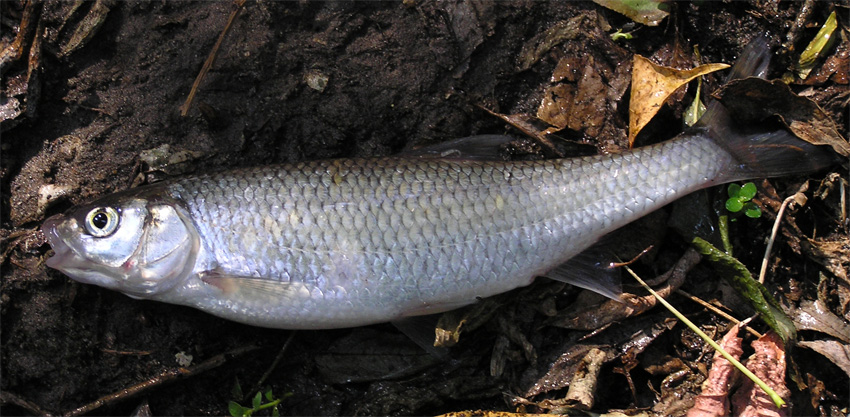
Common dace
Leuciscus leuciscus
Overview
The common dace is a species of freshwater and brackish water ray-finned fish from the family Leuciscidae which is native to Europe but which has been introduced to other parts of the world. It is a quarry species for coarse anglers.
Best Baits & Lures
Live Baits
- Maggots
Effective all year round, especially in colder months.
- Casters
Good alternative to maggots, especially in warmer water.
- Worms
Lobworms or dendrobaenas work well on the bottom.
- Sweetcorn
Simple and effective bait for catching dace.
- Breadflake
A classic bait, feed small pieces to attract dace.
Artificial Lures
- Mepps Aglia #1SpinnerBuy
Small size is key; silver or gold.
- Rapala Ultra Light Minnow 04CrankbaitBuy
Fished with a slow, steady retrieve.
- Strike King Mr. Crappie ShadpoleSoft PlasticBuy
Small size on a jig head.
- Hare's Ear NymphFlyBuy
Effective fly, size 16 or 18.
- Blue Fox Vibrax Minnow Spin #2SpinnerBuy
Flashy, good for attracting fish in clear water.
Techniques
When fishing for dace, use light line and small hooks as they are easily spooked; keep your movements minimal.
As an Amazon Associate, WikiCatch earns from qualifying purchases.
Where to Find Common dace
Frequently Asked Questions
What is the best bait for Common dace?+
Popular baits for Common dace include Maggots, Casters, Worms, Sweetcorn, Breadflake. Tip: When fishing for dace, use light line and small hooks as they are easily spooked; keep your movements minimal.
Where can I catch Common dace?+
Common dace can be found in many locations worldwide. Top regions include England, United Kingdom; Alba / Scotland, United Kingdom; Cymru / Wales, United Kingdom. WikiCatch lists 105 fishing spots where this species is found.
How big do Common dace get?+
Common dace (Leuciscus leuciscus) can reach up to 40.0000006 cm in length and 1 kg in weight. Their IUCN conservation status is LC.
Get WikiCatch on iPhone
360,000+ fishing spots, AI fish ID, weather & solunar — free.
Download on the App Store