 WikiCatch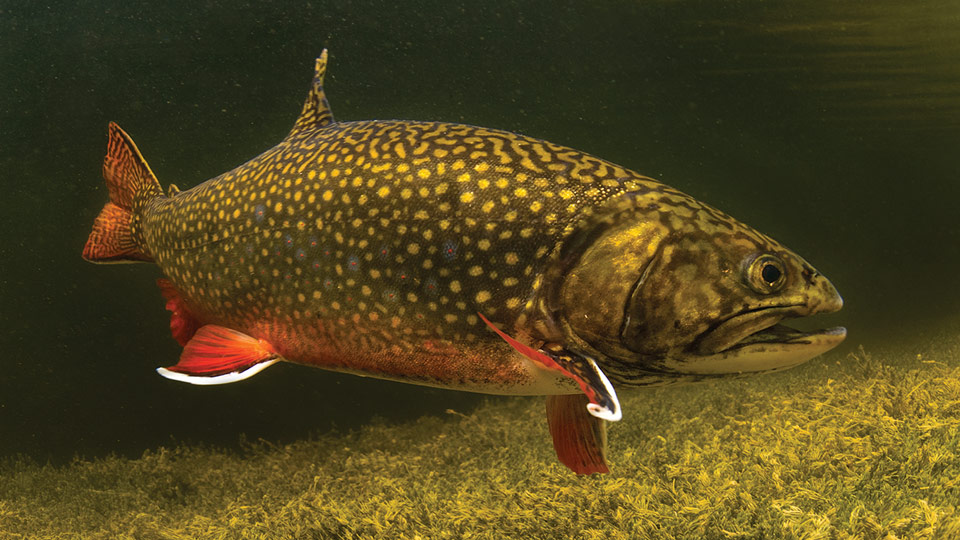
Salters
Salvelinus fontinalis
Overview
The brook trout is a species of freshwater fish in the char genus Salvelinus of the salmon family Salmonidae native to Eastern North America in the United States and Canada. Two ecological forms of brook trout have been recognized by the US Forest Service. One ecological form is long-lived potamodromous populations in Lake Superior known as coaster trout or coasters. The second ecological form is the short-living predaceous anadromous populations which are found in northern lakes and coastal rivers from Long Island to Hudson Bay, which are referred to as salters. In parts of its range, it is also known as the eastern brook trout, speckled trout, brook char, squaretail, brookie, or mud trout, among others. Adult coaster brook trout are capable of reaching sizes over 2 feet in length and weigh up to 6.8 kg (15 lb), whereas adult salters average between 6 and 15 inches in length and weigh between 0.5 and 2.3 kg. The brook trout is characterized by its distinctive olive-green body with yellow and blue-rimmed red spots, white and black edged orange fins, and dorsal vermiculation. The diet of the brook trout is restrictive to the season and location of the fish, but will typically consist of terrestrial and aquatic insects, fry, crustaceans, zooplankton, and worms.
Frequently Asked Questions
How big do Salters get?+
Salters (Salvelinus fontinalis) can reach up to 86 cm in length and 8 kg in weight. Their IUCN conservation status is LC.
Get WikiCatch on iPhone
360,000+ fishing spots, AI fish ID, weather & solunar — free.
Download on the App Store